Dental Veneers in San Jose
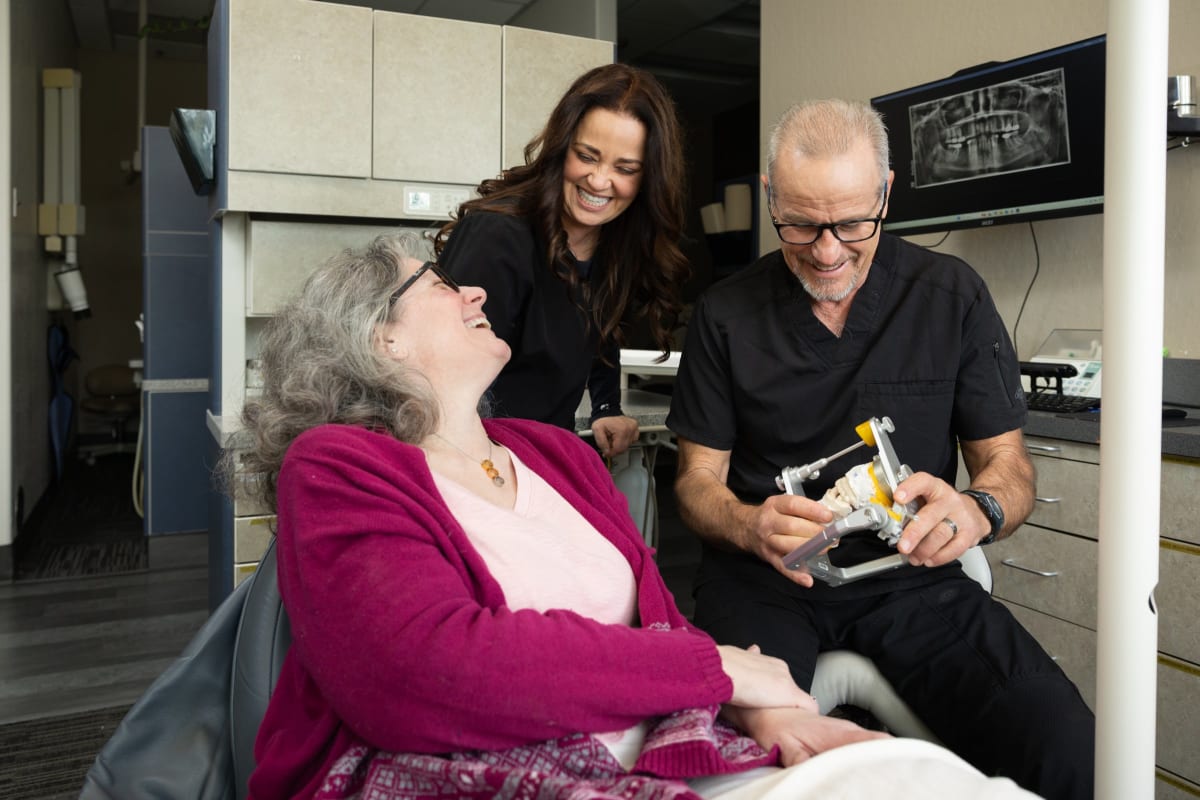
Dental Veneers in San Jose: Getting a Smile You Love
Most people who start researching veneers aren't looking for a dramatic transformation. They're tired of a specific thing: a chip they've been hiding with a closed-mouth smile, staining that whitening treatments never fully touched, or teeth that feel slightly off in shape or size in a way that's hard to explain but impossible to ignore.
Ready to find out if veneers are the right fit for your smile? Call us at (408) 356-0800 or request a consultation online and we'll take it from there.
Quick Takeaways
- Veneers can improve the color, shape, size, and overall look of your teeth, but they aren't a solution for decay, gum disease, or bite issues. If any of those things are going on, we address them first so your cosmetic results actually hold up.
- There are two types to choose from: resin veneers, which are done entirely in-office and tend to be more affordable, and porcelain veneers, which are made in a lab, resist staining better, and usually last longer. We offer both and will help you figure out which one fits your goals and your budget.
- Most veneer cases wrap up over two to three visits across a few weeks. You'll have temporary veneers to wear while your final ones are being crafted, so you're never without a smile in the meantime.
- Color selection is more important than most people realize. Veneers don't respond to whitening treatments the way natural teeth do, so if you're planning to whiten, that needs to happen before we finalize your shade. We'll walk you through the timing so everything lines up.
How the Veneer Process Works
1. The Consultation and Smile Conversation
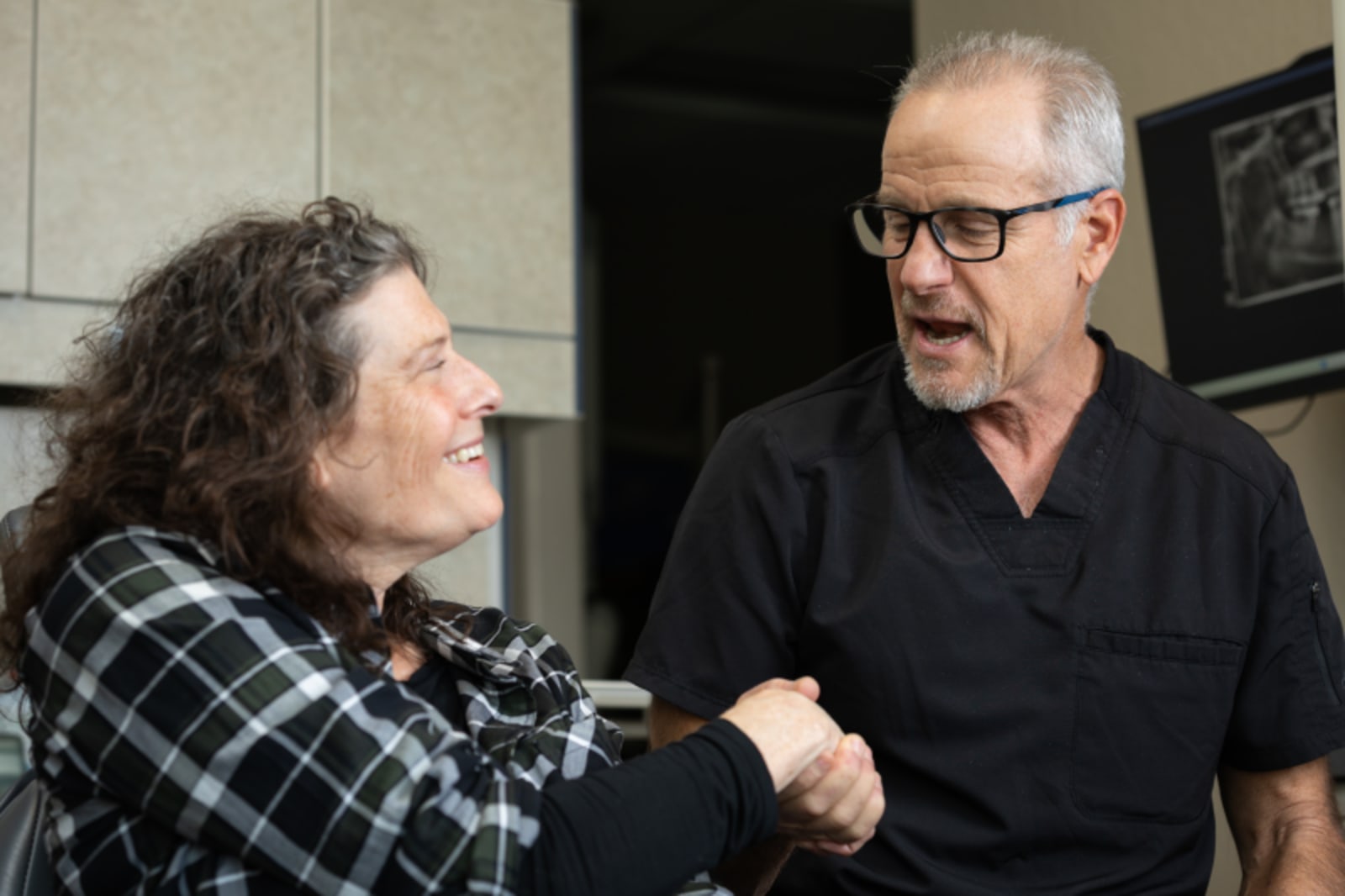
We start by simply asking what you'd change if you could. Color, length, that one tooth that sits a little behind the others, whatever has been on your mind. From there, we examine your teeth and gums, check your bite, and take digital X-rays so we have a complete picture. If something needs to be addressed before cosmetic work makes sense, you'll hear about it at this stage rather than halfway through the process.
2. Design and Shade Selection
Together we choose the shade, shape, and edge profile that suit your face, not a generic template. This is also where we talk through whether porcelain or resin fits your goals and budget better, and whether veneers or another cosmetic option is really the right fit for what you're hoping to change.
3. Preparing the Teeth
To make room for the veneer, a very thin layer of enamel is gently removed from the front of each tooth being treated, usually less than a millimeter. That small reduction is what keeps the final result from looking bulky or unnatural. You'll be completely numb for this part, and we always remove as little tooth structure as the case allows.
4. A Digital Scan, No Goopy Trays
Once your teeth are prepared, we capture them with our 3M TRIOS digital scanner, a small wand that photographs your mouth in 3D. It is quicker and far more comfortable than traditional putty impressions, and it gives the lab a more precise model to work from. It is one of several tools we use to make your visits as comfortable as possible.
5. Temporaries, Then Final Bonding
You will leave that appointment with temporary veneers so you can test-drive the look and let us know if anything feels off. When the finals come back from the lab, we try them in and check the fit and color with you in the mirror before anything is bonded permanently. If you would like a change at that point, just say so. It is much easier to make adjustments before they are set than after.
What Veneers Actually Do for You
- Some stains go deeper than whitening can reach. Things like tetracycline discoloration, dark old fillings showing through, and deep intrinsic staining simply don't respond to bleaching. Veneers cover them completely, giving you a clean, even color that whitening alone couldn't deliver.
- Chipped or worn-down front teeth get their shape and length back. Years of everyday wear can gradually flatten or chip your teeth in ways that are hard to ignore. Veneers restore them to something close to their original look, so your smile feels like yours again.
- Small gaps can close without braces. If the spacing is minor and your bite is healthy, veneers can take care of it in a matter of weeks. For gaps that are more significant, clear aligner treatment is usually the better path, and we'll always be upfront with you about which direction makes more sense.
- Your color stays more consistent over time. Coffee, tea, and red wine don't soak into porcelain the way they do into natural enamel, so you won't see the same gradual darkening you might notice with untreated teeth.
- Veneers are a more conservative option than a crown. A crown covers the entire tooth, while a veneer only covers the front surface, so less of your natural tooth structure is affected. We also offer composite bonding, which is even less involved, and we'll let you know if that's actually the better fit for what you're hoping to fix.
- With the right care, veneers last for many years. Good home care and regular checkups go a long way, making veneers a genuinely durable investment in how your smile looks and feels.
Who Veneers Are Right For, and When Something Else Makes More Sense
Veneers are a great option for a lot of people, but they work best in the right situation. Generally speaking, good candidates have teeth with chips or cracks that affect how they look but are otherwise healthy, staining that whitening hasn't been able to touch, small gaps, or teeth that are slightly uneven, short, or misshapen. Healthy gums and enough natural enamel to bond to are also important pieces of the puzzle.
That said, veneers aren't always the first step, and there are situations where a different approach will actually get you a better result. We'll always be upfront with you about which one applies.
- Active decay or gum disease. We take care of those issues first. Placing veneers over teeth or gums that aren't healthy yet would undermine the whole result, so we make sure the foundation is solid before any cosmetic work begins.
- Significant crowding or rotation. When teeth are noticeably out of position, clear aligners usually produce a better and more conservative outcome. In some cases, the right approach is aligners first and then a couple of veneers to put the finishing touches on the result.
- Heavy grinding or clenching. This doesn't automatically rule out veneers, but we would want to address the bite first and fit you with a nightguard to protect your investment over time.
- A single small chip. Composite bonding can often take care of that in one visit and for less cost. If that's the better path for you, we'll say so upfront.
- A structurally weak or heavily filled tooth. In that situation, a crown is usually the more durable and appropriate choice, since it wraps and protects the whole tooth rather than just covering the front.
Timeline: How Long This Typically Takes
For most patients, the veneer process unfolds over two to three visits across about two to four weeks. The number of teeth being treated is usually what determines where you fall in that range.
- Visit one, consultation and planning. We take a full look at your teeth, go through X-rays and photos, and spend time hearing what you'd like to change. No pressure, just a real conversation about your options.
- Visit two, preparation and scanning. This is the longer appointment, usually one to two hours depending on how many teeth are involved. By the time you leave, you'll have temporary veneers in place so you can get a feel for the look right away.
- The lab phase. While your permanent veneers are being crafted, which typically takes two to three weeks, you go about your normal life with your temporaries in.
- Visit three, try-in and bonding. We place the veneers, check the fit and color together, make any last adjustments, and bond them permanently. You leave with your finished smile.
Getting Ready For Treatment, and Caring for Veneers Afterward
In the days leading up to your prep visit, just keep doing what you normally do: brush, floss, and make sure any recommended cleaning or gum treatment is wrapped up beforehand. If whitening is part of your plan, that needs to happen before this appointment too, and we explain why the timing matters in the FAQ section further down the page.
Once your veneers are placed, a little sensitivity over the first few days is completely normal while your teeth settle in. Go easy on anything very hard or crunchy at first, and skip the sticky foods while things still feel new. After that short adjustment period, taking care of your veneers day to day is really pretty simple:
- Brush twice a day with a non-abrasive toothpaste, since whitening pastes with heavy grit can dull the surface of porcelain over time
- Floss every day to keep the gum line around each veneer clean and healthy
- Try not to use your front teeth to open packaging or crunch ice, and if you tend to grind at night, a nightguard will go a long way toward protecting your investment
- Keep up with your regular cleanings and checkups so we can make sure everything continues to look and feel great
Cost For Veneers and What to Expect
Veneers are typically considered a cosmetic treatment, so most dental insurance plans offer limited coverage or none at all. That said, it's always worth a quick check with your provider before you start planning your budget, since every plan is a little different. What you'll pay overall depends on a few things:
- How many teeth are being treated
- Whether you go with resin or porcelain
- The complexity of your case, including any prep work your gums or bite might need beforehand
Once we've had a chance to look at your teeth, you'll receive a written estimate that lays everything out clearly. We'll go over payment options together at that point, and if spreading things out over time makes more sense for your situation, we're happy to work through that with you.
Why Patients Choose Smile Haus Dental Studio for Cosmetic Work
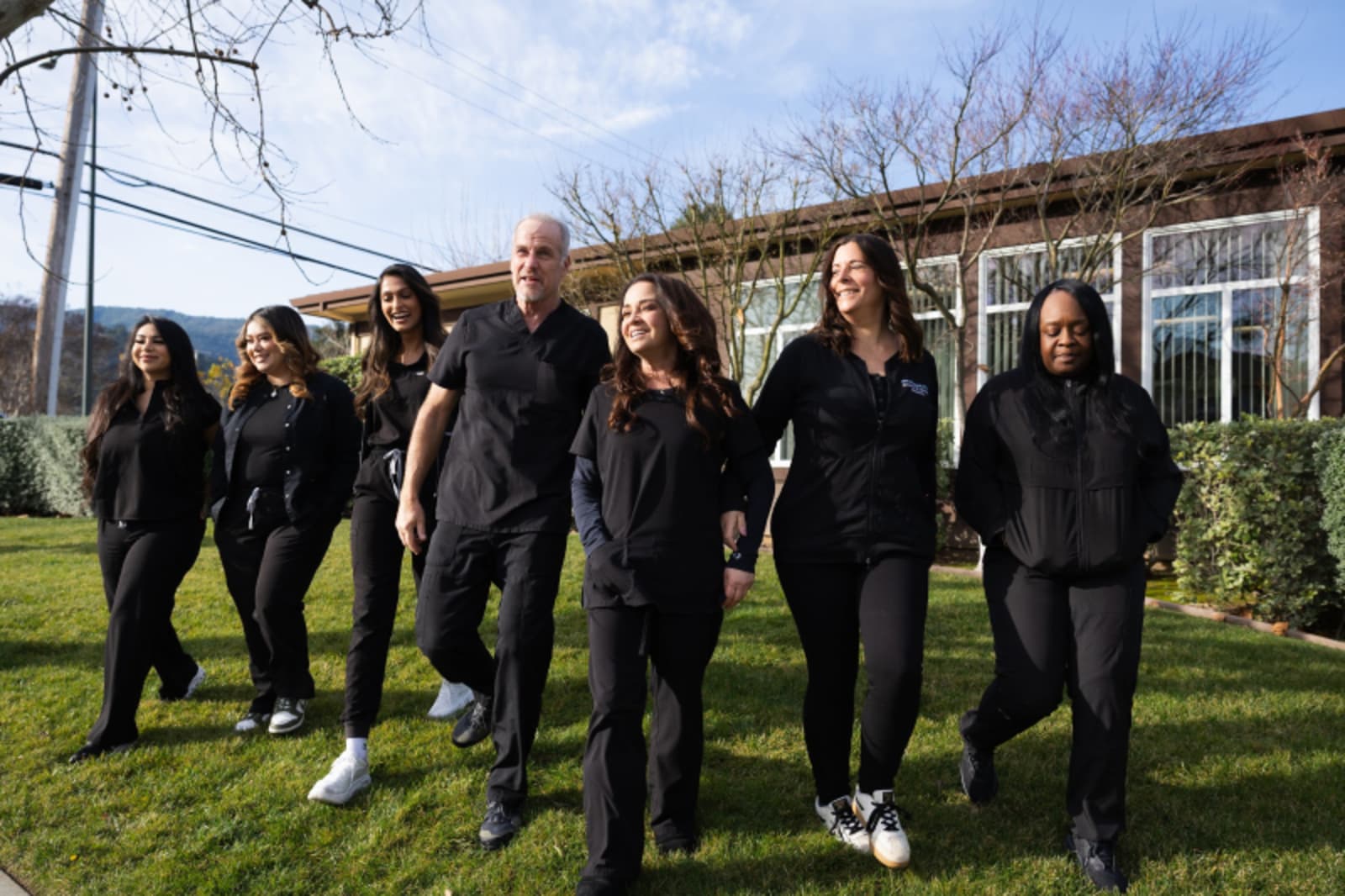
The team at Smile Haus Dental Studio has been caring for smiles on Blossom Hill Road in San Jose for over 65 years, and many of the families we see today are second and third generation. That kind of lasting relationship only happens when people feel genuinely heard and never pressured into treatment they don't need.
The experience our team brings to cosmetic work runs deep. Dr. Stepovich has nearly four decades of restorative training, including advanced coursework through the Foundation for Advanced Continuing Education and the Spear Faculty Club, which is especially valuable on cases where the cosmetic result and the way your bite functions have to work together seamlessly. Dr. Patel grew up right here in the Bay Area and has devoted much of her continuing education to cosmetic dentistry, laser therapy, dental implants, and clear aligners, so every smile conversation she has is grounded in both precision and genuine care for the person in the chair.
Supporting all of that is technology designed to make your visits more comfortable and your results more predictable. Our TRIOS digital scanner, cone beam 3D imaging, digital radiography, Biolase laser, and air abrasion tools all work toward the same goal: careful planning and gentle treatment. The technology helps, but what really drives every decision is a commitment to conservative care, honest options, and making sure you fully understand your plan before anything begins.
Frequently Asked Questions
Do veneers look natural?
Yes, and when they're done well, most people can't tell the difference at all. Each veneer is carefully shaped and color-matched to blend with your surrounding teeth and the natural proportions of your face, so the result looks like you, just a better version. Before anything is made permanent, there's a try-in appointment where you can see how everything looks and tell us if something feels off. Too bright, too long, not quite right — we'd rather hear it then and make an adjustment than have you leave with anything less than what you had in mind. You can learn more about how we approach cosmetic work on our dental services page.
Does getting veneers hurt?
The short answer is no, not during the procedure. At your preparation appointment, we'll make sure you're fully numb before anything begins, so you won't feel the work being done. Afterward, it's pretty common to notice some sensitivity to hot or cold for a few days while your teeth adjust, but that typically fades on its own without any intervention. If something lingers longer than expected, just give us a call and we'll take a look.
Is enamel removal permanent?
It is, and that's something we want you to understand going in. Enamel doesn't grow back, so once a tooth has been prepared for a veneer, it will always need a veneer or crown protecting it. That's exactly why we take a conservative approach and remove as little as possible, and it's also why we'll be upfront with you if bonding or clear aligners could get you the same result with less commitment to the tooth.
Can veneers be whitened later?
Unfortunately, no. Unlike natural enamel, porcelain and resin don't respond to whitening gel, so the shade you choose at the start is the shade you keep for the life of the veneer. That's why we put real care into color selection before anything is finalized, and why we always recommend completing any whitening of your natural teeth first so everything can be matched together at the right shade.
What happens if a veneer chips or comes off?
Give us a call as soon as you notice it. If it came off in one piece, hold onto it and bring it to your appointment, since that can sometimes make the repair simpler. Depending on what happened, we can often re-bond, repair, or remake it. In the meantime, try to avoid chewing on that side so nothing gets worse before we see you.
How is a veneer different from a crown?
The biggest difference is how much of the tooth each one covers. A veneer sits on just the front surface of the tooth and is mainly used for cosmetic improvements, while a crown wraps around the entire tooth and is typically recommended when the tooth is cracked, heavily filled, or no longer structurally sound on its own. If a tooth needs both a cosmetic refresh and added strength, a crown is usually the better fit for the long term.
Come Talk It Through With Us
If you've been thinking about veneers for a while and just haven't taken the next step yet, a consultation at Smile Haus Dental Studio is a really easy, low-pressure place to start. We'll take a look at your teeth, listen to what's been on your mind, and give you an honest answer about whether veneers make sense for you or whether something simpler, like cosmetic bonding, might get you the same result with less involved.
We'd love to meet you and talk through your options in person. Our San Jose office is located at 1757 Blossom Hill Road, Suite 10, and we're open Monday through Thursday.
You're welcome to give us a call at (408) 356-0800 or, if it's easier, go ahead and request an appointment online at a time that works for you. Either way, we're here when you're ready.
