Dental Implants in San Jose
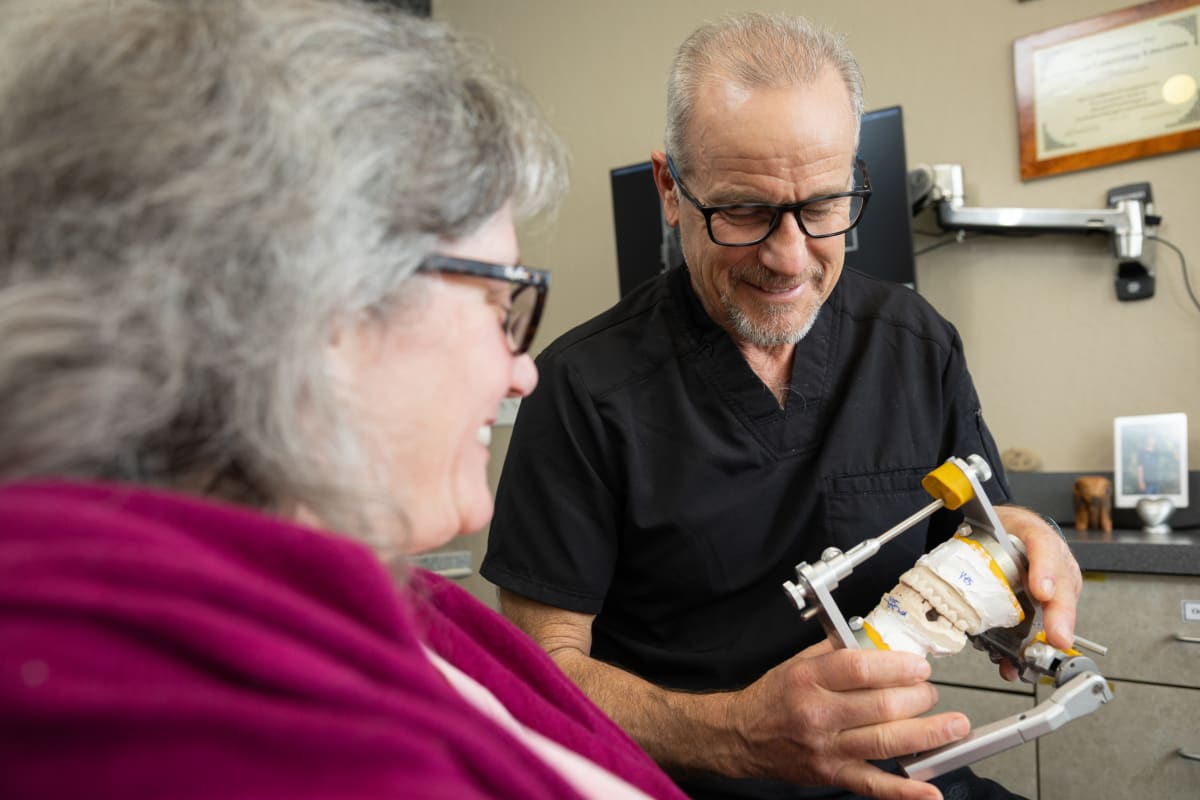
Dental Implants in San Jose: A Replacement Tooth That Feels Like Yours
Losing a tooth affects more than just your smile. It changes how you chew, how you speak, and sometimes how confident you feel in everyday moments. A dental implant is the closest thing modern dentistry has to replacing that tooth for real.
At Smile Haus Dental Studio, Dr. Patel and the team plan, place, and restore implants right here at our Blossom Hill office in San Jose, so you never have to coordinate between a surgeon and a separate restorative dentist. If a tooth is still struggling rather than already lost, we will walk you through options that may be able to save it. And if gum health needs attention first, we handle that too, because a healthy foundation is what gives an implant its staying power.
Curious whether implants are the right fit for you? Give us a call at (408) 356-0800 and we would be happy to talk it through.
Quick Takeaways
- Know what to expect at your consultation. Every implant consultation at our San Jose office includes Cone Beam 3D imaging, a type of scan that shows us your actual bone volume in three dimensions, so we can give you an honest recommendation before anything else happens.
- Plan for months, not weeks. The healing phase is the longest part of the process by far. Your bone needs time to grow around the implant and hold it firmly in place, and that simply cannot be rushed.
- Bone loss is not a dead end. If you have been told you do not have enough bone for an implant, grafting can often rebuild the site and give the implant something solid to anchor into. It is a very common first step, not a reason to give up on implants altogether.
- Ask for a written cost breakdown before you commit. A good estimate should spell out every stage, including the implant post, the connector piece that links it to the crown, the crown itself, and any prep work needed beforehand, so there are no surprises along the way.
How the Implant Process Works
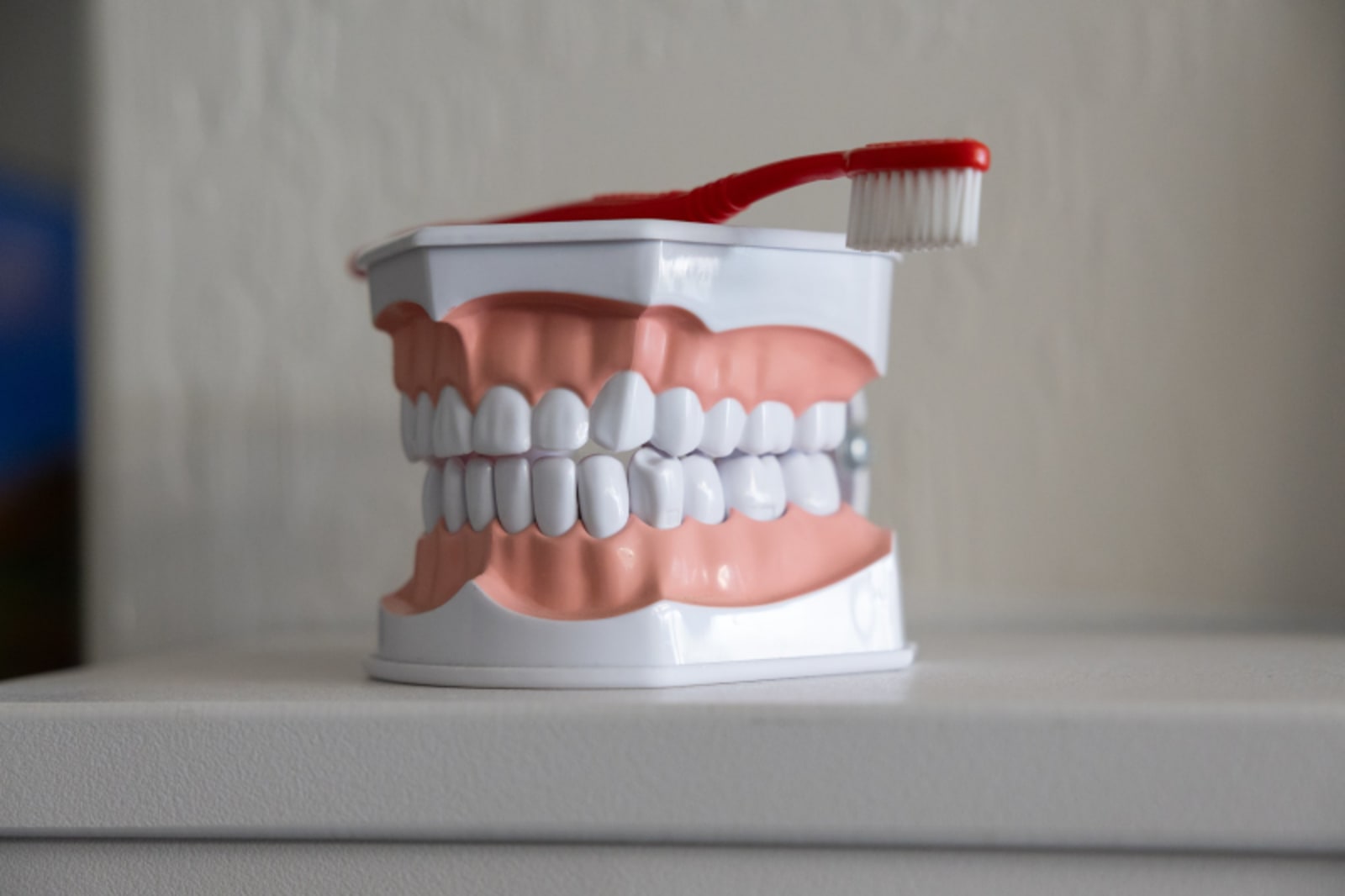
We know that walking into something unfamiliar can feel overwhelming, so here is exactly what happens at Smile Haus Dental Studio from your very first visit to your final crown, so you always know what to expect before you sit down.
1. Consultation and 3D Imaging
We start with a real conversation about what is bothering you and what you would like back. From there, we take a Cone Beam scan, which is essentially a 3D X-ray that shows your jawbone from every angle, along with a digital scan of your teeth using our 3M TRIOS scanner, so there are no goopy impression trays involved. By the end of that first visit, we can tell you whether your bone is ready to go, whether any prep work is needed first, and what your overall plan will look like.
2. Any Preparatory Work
If a damaged tooth still needs to come out, or the site needs bone grafting or a sinus lift, we take care of that before placing the implant. A bone graft works by holding space while your own bone cells gradually grow in and around the material, building up the volume the implant needs to anchor securely. If gum disease is part of the picture, we treat and stabilize that first so your implant has a healthy foundation from the start.
3. Placing the Implant
The implant post is placed into your jawbone during a single focused appointment using local anesthetic, and most patients tell us it was far less eventful than they expected. We walk you through every step beforehand and check in with you throughout, so you are never left wondering what is happening.
4. Healing, Also Called Osseointegration
Osseointegration is just the clinical term for what your body does naturally after the implant is placed: your bone gradually grows around the titanium post and locks it in place, creating a stable foundation that functions like a real tooth root. This is the longest part of the process, and it is also the reason implants hold up so well over time. There is nothing you need to do during this phase except let your body do its work, and we will check in along the way to make sure everything is healing as expected.
5. Abutment and Final Crown
Once the implant has fully integrated with your bone, we attach a small connector piece called an abutment and then place your custom crown on top, carefully matched in shape, shade, and bite to the teeth around it. At that point, your new tooth is complete and ready to function just like the rest of your smile.
What Implants Actually Do for You
- You can eat what you want again. Because an implant is anchored directly in your jawbone, foods like steak, apples, and crusty bread stop being something you have to think twice about.
- Your neighboring teeth stay untouched. Unlike a traditional bridge, an implant stands completely on its own and does not require reshaping the healthy teeth on either side of the gap.
- Your jawbone stays healthy. Once a tooth root is gone, the bone underneath it gradually shrinks because it no longer has anything to support. An implant restores that stimulation by transmitting chewing forces back into the bone, which helps preserve both the ridge and your natural facial shape over time.
- It stays put, all day and all night. Because the post is anchored in bone rather than resting on your gums, there is no adhesive, no slipping, and nothing to take out before bed.
- It looks like a natural tooth. The crown on top is custom-shaded and shaped to blend with your surrounding teeth, right down to the natural contour where it meets the gumline.
Who Implants Are Right For
More people qualify than they expect to. In general, good candidates have healthy gums or gum disease that has been treated and stabilized, enough jawbone to support a post, overall health that allows for normal healing, and a commitment to keeping up with regular cleanings once the implant is in place.
Some situations do call for a closer look before moving forward, and that is completely normal. Smoking slows the healing process and raises the risk of complications, so it is something we will talk through honestly.
Conditions like uncontrolled diabetes can affect how well your body heals, which usually means getting things stable first rather than ruling implants out altogether. If your jaw is still growing, as is the case for most teenagers, waiting until development is complete is the safer path.
And if you grind your teeth, we will build a nightguard into your plan from the start, because consistent grinding puts stress on the crown and the bone around it over time.
If implants turn out not to be the right fit for you, there are other good options worth knowing about. Crowns and bridges, partial dentures, and implant-supported dentures each have their own advantages, and we will walk you through what makes sense for your specific situation so you can feel confident in whatever direction you choose.
General Timeline For Dental Implants
Every patient heals a little differently, so there's no single answer for how long the process takes. That said, here's the general shape of what most people go through:
- Consultation and planning: usually one visit, though it may take two if we're coordinating an extraction or addressing gum disease before moving forward.
- Grafting, if needed: the site typically needs several months to mature and build enough bone volume before an implant can go in.
- Implant placement: a single focused appointment where the post is placed into the jawbone.
- Osseointegration: this is the healing phase where your bone gradually grows around the implant and locks it in place. It's the longest part of the process, and it's also what makes implants so stable long term.
- Abutment and crown: usually two short visits to attach the connector piece, take a scan, and place your final custom crown.
Single-tooth cases with good bone tend to move faster, while cases that need grafting or gum treatment naturally take a bit longer. Once we've reviewed your imaging, we'll give you a timeline that's specific to your situation.
Getting Ready For Treatment, and Caring for It Afterward
Before Placement
Before your appointment, bring a copy of your health history and a current list of any medications you take, including over-the-counter ones. If you take a blood thinner or a bisphosphonate for bone density, let us know as early as possible so we can factor that into your plan.
The First Few Days
A little soreness and swelling around the site is completely normal, and it's usually most noticeable in the first day or two. Some mild bruising can show up as well, though not everyone experiences it. Over-the-counter pain relief and an ice pack tend to handle the discomfort well, and most people find they're back to their regular routine within a couple of days. In the meantime, stick to soft foods, chew on the opposite side, avoid smoking and straws, and rinse gently.
You'll leave with written instructions that cover all of this, and if something feels off once you're home, please don't hesitate to call our San Jose office at (408) 356-0800.
Living With Your Implant
Once your implant is fully healed, taking care of it is a lot like caring for a natural tooth. Brush twice a day, floss around the implant using a water flosser or floss threader if that feels easier, and keep up with your regular cleanings and checkups.
One thing worth knowing is that while implants themselves can't get cavities, the gum and bone around them can develop inflammation similar to gum disease, and that's the main thing that can put an implant at risk over time. If you grind your teeth, wearing your nightguard consistently is one of the simplest and most effective ways to protect your implant for the long haul.
Cost and What to Expect Financially
Implant costs vary from person to person, because every treatment plan is a little different. A few things that typically shape the overall cost include how many implants you need, whether any preparatory steps like extractions, bone grafting, or a sinus lift are part of your plan, what kind of restoration goes on top (a single crown, a bridge, or a full-arch solution), and whether any gum treatment is needed before we get started.
We don't post prices online, and honestly, a number without context wouldn't tell you much anyway. What we do instead is walk through everything together at your consultation and give you a written cost breakdown that covers each stage of your specific plan, so you know exactly what to expect and when.
If you have dental insurance, our team will help you figure out what your plan covers and what it may contribute toward your treatment. We'll also talk through payment options at that same visit, so by the time you leave, the financial side of things feels clear and manageable rather than like something you have to figure out on your own.
Why Patients Trust Us With Implants
Smile Haus Dental Studio has been serving San Jose and the surrounding Bay Area for more than 65 years, and many of our patients are the children and grandchildren of people Dr. Stepovich has cared for since 1986. That kind of history shapes the way we practice. Because we are going to see you again in six months, and probably in six years, we have every reason to be straightforward with you and recommend only what genuinely makes sense for your situation.
The team behind your implant brings real depth to every stage of the process. Dr. Patel has trained specifically in implant placement alongside laser dentistry and cosmetic work, and she continues adding to that training every year.
Dr. Stepovich brings decades of restorative experience and full-mouth rehabilitation work, which matters when an implant needs to fit naturally into a bite that already has a long history. Dr. Kurugol rounds out the team with her own areas of expertise, so you have skilled, attentive care from your first consultation through your final crown.
Our technology supports all of it. Digital radiography keeps X-ray exposure low, our Biolase laser lets us work on gum tissue gently and precisely, and air abrasion removes decay with far less drilling than traditional methods.
Cone Beam 3D imaging gives us a detailed look at your bone before we ever begin planning, and because the same team handles every phase of your implant under one roof, you are never passed off to someone new in the middle of your care.
Frequently Asked Questions
Does getting a dental implant hurt?
The placement is done under local anesthetic, so you won't feel the procedure while it's happening. Afterward, some soreness and mild swelling around the site is normal, but it's usually much more manageable than people expect and tends to resolve within a few days with over-the-counter pain relief.
How long do dental implants last?
Implants are designed to be a long-term solution, and the titanium post itself, once it has fully fused with your jawbone, is built to stay there. The crown on top will experience normal wear over the years and may eventually need to be refreshed, just like any other dental restoration. That said, how long everything holds up comes down largely to consistent brushing, flossing, and keeping up with your regular checkups.
Can one implant replace several missing teeth?
Not always on a one-to-one basis, and that's actually good news. A single implant is designed to replace one tooth, but implants can also be used to anchor a bridge or support a full-arch restoration, so you don't necessarily need an implant for every missing tooth. The best configuration really depends on where the gaps are and how much bone is available, which is something we'll map out together at your consultation.
How is an implant different from a bridge?
A bridge is genuinely the better choice in some situations. It involves fewer visits, wraps up in weeks rather than months, and if the teeth on either side of the gap already have crowns or need them anyway, using them as anchors doesn't cost you anything extra. An implant tends to make more sense when those neighboring teeth are healthy, because placing a bridge means reshaping them to hold it in place. We'll go through both options with you so you can choose what actually fits your situation.
Will people not be able to tell its an implant?
That's always the goal, and for most patients the answer is no. The crown is custom-shaded and shaped to match your surrounding teeth, and because it emerges from the gumline the way a natural tooth does, it tends to blend right in without drawing any attention.
Let's Talk About Your Smile
If you've been living around a missing tooth, chewing on one side, or putting off a decision because the whole thing feels overwhelming, a conversation is a perfectly fine place to start.
We'll look at your bone and gums together, explain what we see in plain language, and give you an honest answer about whether dental implants are the right move for you. If they aren't, we'll walk you through the other restorative options that might be a better fit.
Whenever you're ready, we'd love to hear from you. Call us at (408) 356-0800 to schedule a consultation at our San Jose office at 1757 Blossom Hill Road, Suite 10.
We're open Monday through Thursday and happy to answer any questions before you even book.
